AI Music vs Human Artists: Why Authenticity Will Define Real Musicians in 2026
AI-generated music is reshaping the industry in 2026. Here’s how artists can protect their identity, build trust, and stand out through authenticity on Spotify.

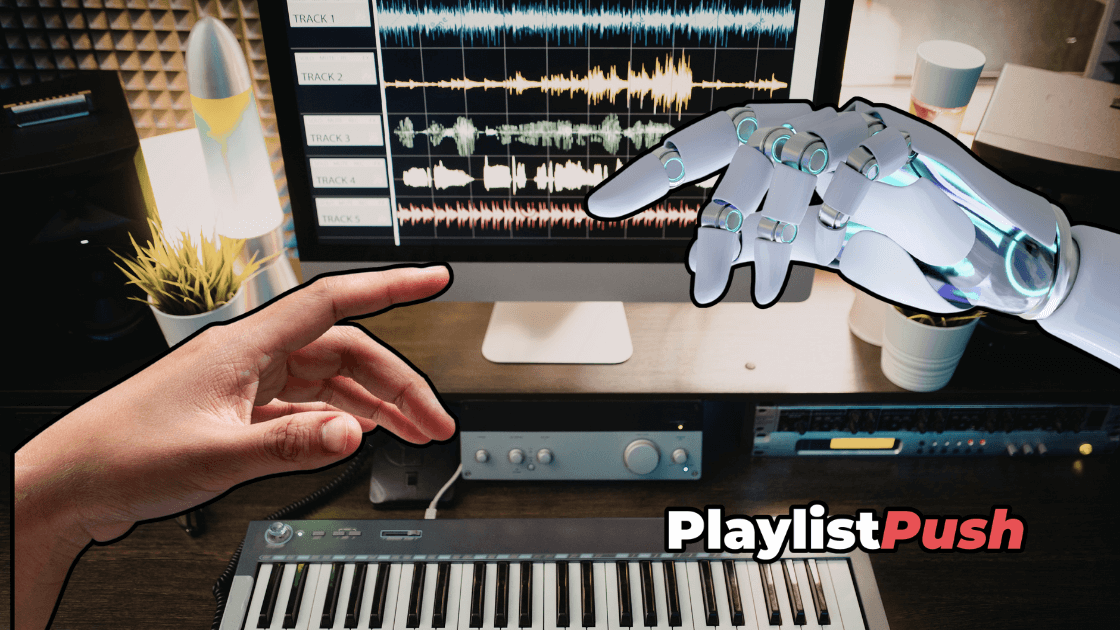
In 2026, a big challenge artists face isn’t just writer’s block, marketing budgets, or even streaming payouts. It’s proving they’re real. AI can now generate songs in seconds, clone voices, mimic genres, and even create entire artist identities. The barrier to creating music has never been lower, and the volume of releases has never been higher.
In a world where sound is infinite and imitation effortless, authenticity has become the top priority in the music industry. Artists who thrive won’t just be the ones who make great music. They’ll be the ones who can clearly share their story, intention, and identity behind their music.
The Growth of AI Music and the Challenges for Human Artists
There are already AI-generated tracks and entire virtual artists gaining traction on major platforms, sometimes with millions of plays. Unlike a few years ago, AI music isn’t just novelty; it’s now a real part of the listening ecosystem, and this raises new challenges, such as:
Identity confusion: AI artists can mimic styles or genres without a real creative story.
Algorithmic noise: With over 100,000 new songs released daily, AI music in 2026 is oversaturating streaming platforms.
Fan trust: Listeners increasingly crave connection, not just consumption.
How Spotify Is Strengthening Artist Identity in the AI Era
Spotify’s 2026 roadmap isn’t about banning AI outright; instead, it’s focused on strengthening the connection between real human artists and listeners. Some of the key shifts they’re building include:
1) Storytelling and Context Matter More Than Ever
Spotify is expanding tools that let fans see who you are, why your songs exist, and how your music was made. That includes new metadata features, such as SongDNA, which reveal collaborations and BTS content. This is a prime example of authentic content AI can’t replicate.
If you’re unfamiliar with how powerful this is, read our breakdown of What is Music Metadata and Why Is It Important?
2) Protecting Artist Identity Comes First
AI makes it easy for bad actors to flood platforms with fake tracks. To counter that, Spotify is enhancing artist verification and identity protection to ensure only real creators receive credit and royalties.
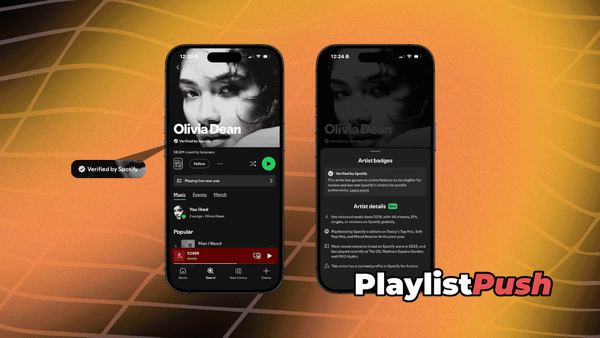
Getting verified is one of the most important steps you can take to protect your identity. If you haven’t done Spotify artist verification yet, here’s our step-by-step guide on How To Get Verified on Spotify.
3) Human Editorial Still Drives Cultural Impact
Editorial playlists & human curators help introduce listeners to artists in meaningful ways that algorithms alone can’t replicate. The voice behind a playlist, the story behind a song choice, reinforces the value of real creative voices.
Why Authenticity Is the Competitive Advantage for Musicians in 2026
We're currently in a world where anything producible by code is abundant, and real human stories become rarer and therefore more valuable. As an artist today, your authenticity is your most powerful differentiator, and here's why:
1) Fans Want Connection, Not Just Sounds
Listeners aren’t just looking for tracks, they’re looking for artists they can follow, support, and feel connected to. Authentic storytelling builds loyalty that AI-generated music on Spotify can't match.
On platforms like Spotify, that loyalty shows up in powerful ways. Your most valuable fans aren’t passive listeners; they’re repeat streamers, merch buyers, and concert attendees. We break this down in more detail in our article Why Spotify Super Listeners Are the Most Valuable Fans You Can Have, where we explain how deeper fan relationships drive long-term growth.
2) Your Journey Is Part of the Music
Real creative journeys, from songwriting inspiration to studio sessions to performance moments, create emotional investment. BTS video, personal reflections, and meaningful album narratives help fans care about your work.
3) Tools Amplify You, They Don’t Replace You
Platforms like Spotify are giving artists tools to highlight authenticity, including richer metadata, Spotify videos, and storytelling features. Use these Spotify tools wisely and as extensions of your creative voice.
What Real Artists Can Do in 2026
Here’s how artists can lean into authenticity and stand out:
Build real connection with your fans: Share the stories behind your songs. The meaning, the struggle, the triumph.
Use Spotify tools thoughtfully: Add context like commentary, SongDNA tags, and visuals that show you and your personality.
Engage fans beyond the audio: BTS clips, personal updates, and live interactions deepen trust.
Cultivate a human brand: AI can mimic style, but it can’t replicate lived experience.
Abschließende Überlegungen
AI isn’t the enemy; it’s a tool that should be used minimally in the world's creative space. Since AI can generate unlimited sound, authentic human artistry becomes the signal, not the noise.
As streaming platforms evolve, the artists who thrive won’t just be the ones with the best algorithms behind them; they’ll be the ones with honest, compelling stories, a genuine connection to their listeners, and a clear human identity put into every release. That’s what real artistry looks like in 2026 and why authenticity is a strategic advantage.
FAQs
Will AI replace human musicians in 2026?
No, AI will not replace human musicians in 2026. While AI can generate songs, it can't replicate lived experience, emotional depth, or authentic storytelling. Successful artists build fan relationships and cultural impact, which still require human identity and connection.
How can artists stand out in an AI-saturated marketplace?
Artists can stand out by sharing their story, showing their creative process, and building real relationships with fans. Authenticity and personality are stronger differentiators than ever.
Is AI-generated music allowed on Spotify?
Yes, AI music is allowed on the platform. Spotify doesn't ban songs created with AI tools, as long as they comply with its content and copyright guidelines. However, Spotify is increasing efforts around artist verification, identity protection, and fraud prevention. The goal is to make sure real creators receive proper credit and royalties, and to prevent impersonation, fake artist profiles, and spam uploads from flooding the platform.
What is Spotify SongDNA and why does it matter?
Spotify SongDNA is enhanced metadata that shows who worked on a song and how it was made. It adds transparency, helping fans connect with the real people behind the music.
How can musicians build trust with fans in the age of AI?
Musicians can build trust by being transparent, sharing BTS content, and engaging directly with fans. When listeners see the human story behind the music, trust grows.
Should artists use AI tools in music creation?
AI can be a helpful creative tool for generating ideas, improving production, or streamlining workflows. But it should support the artist’s vision, not replace their voice or identity.
Möchten Sie Ihre Musik promoten?
Use our Spotify Playlist Submissions or TikTok Promotion service.