Top SEO Geheimnisse für Ihr Spotify Playlists


Why Spotify SEO Matters More Than Ever in 2026
If you think Spotify is just a place where people hit play and vibe, you’re missing the bigger picture. Spotify has quietly evolved into something much more powerful, a search engine for moods, moments, and micro-genres. And just like Google or YouTube, if your content isn’t optimized, it’s practically invisible.
Spotify now has over 250+ million premium subscribers and hundreds of millions of free users, all relying heavily on algorithmic discovery. People don’t just search for an artist anymore; they search things like “late night drive R&B,” “gym motivation 2026,” or “sad songs that hit deep.” That’s where playlist SEO becomes your secret weapon.
Think about it like opening a coffee shop in a hidden alley versus a busy street. Without SEO, your playlist sits in the alley. No traffic, no exposure, no growth. With SEO, you’re right on the main road, attracting listeners organically every single day.
The role of AI-powered recommendations continues to grow each year. Spotify’s algorithm analyzes user behavior, listening patterns, retention rates, and even skip behavior within the first 30 seconds. That means your playlist needs to be both discoverable and engaging.
Cross-platform discovery has also grown. Your playlist might show up in Google results, or even AI assistants like ChatGPT or Perplexity. So optimizing for Spotify alone isn’t enough. You need to optimize for an entire ecosystem.
If your goal is to grow followers, attract streams, or even monetize your curation skills, understanding Spotify SEO is essential. The playlists that win today can't just be well-curated. They also need to be strategically engineered for discovery.
The Rise of AI-Driven Music Discovery
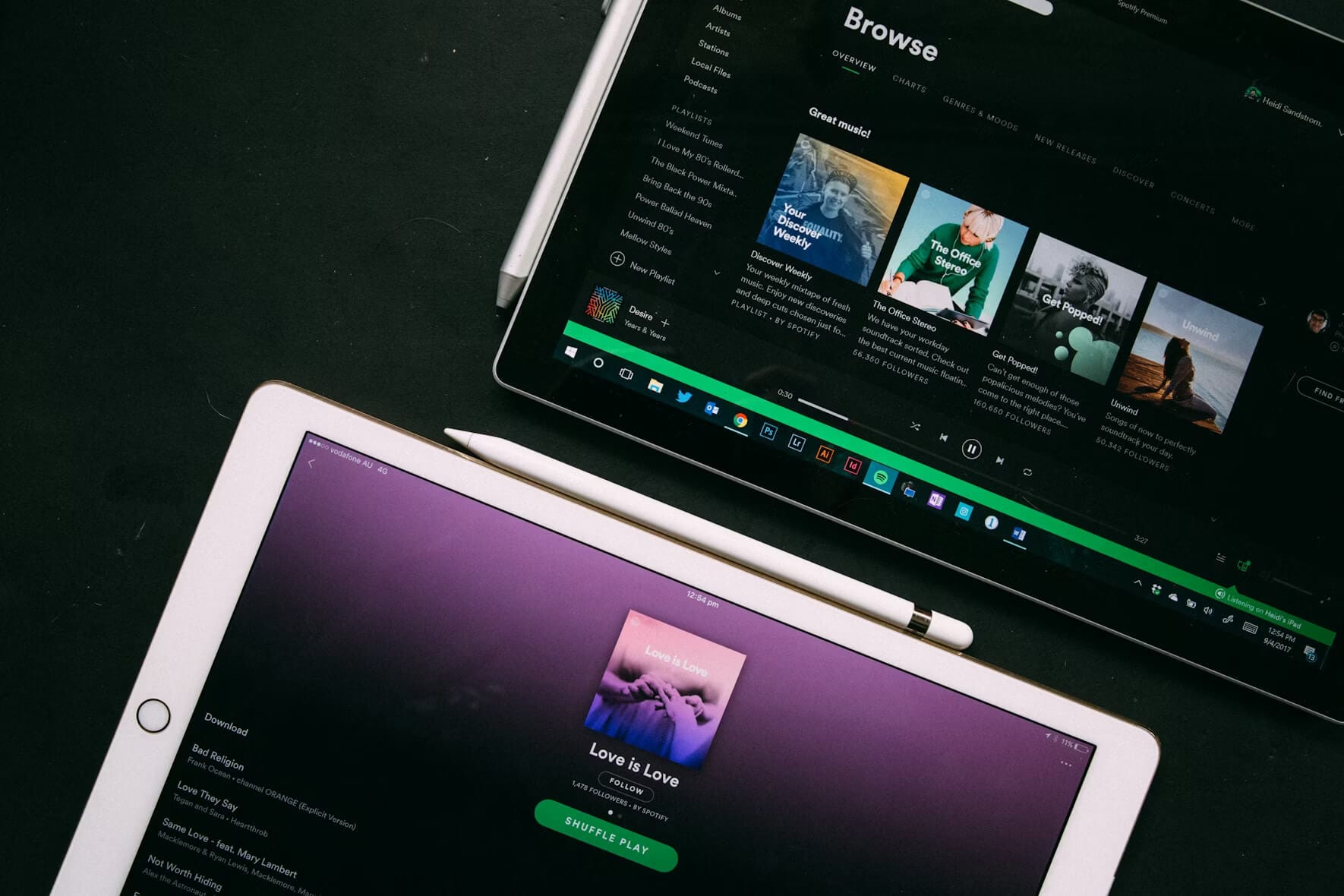
With Spotify today, AI isn’t essentially running the show behind the curtain. Every time someone hits play, skips a track, or saves a song, Spotify’s machine learning models are learning, adapting, and reshaping what gets recommended next.
In 2026, over half of listening time is driven by algorithmic recommendations, not manual searches. That means your playlist’s success depends heavily on how well it “communicates” with AI systems.
So how does AI “see” your playlist? Not emotionally like a human, but structurally. It looks at:
- Keywords in your title and description
- Genre consistency
- Listener engagement patterns
- Track popularity and recency
- Behavioral signals like completion rate
Imagine your playlist as a resume. If it clearly tells the algorithm what it is, who it’s for, and how good it performs, it gets promoted. If it’s vague or inconsistent, it gets ignored.
One major shift is contextual understanding. AI now understands intent. For example, a playlist titled “Chill Vibes” is too generic. But “Chill Late Night Drive (Lo-fi & R&B 2026)” gives the algorithm context, i.e., when, how, and why someone would listen.
Voice search is also exploding. People are saying things like, “Play relaxing study music,” and Spotify pulls playlists that match that intent. If your playlist isn’t optimized for natural language queries, you’re missing out on a huge traffic source.
You’re not just creating playlists for people anymore, you’re creating them for AI systems that decide who gets heard.
Spotify as a Search Engine, Not Just a Player
Instead of asking, “What songs should I add?” start asking, “What are people searching for?”
That’s the difference between casual curation and strategic growth.
Spotify’s search bar behaves a lot like Google’s. Type in “workout,” and you’ll see autosuggestions like:
- workout music gym
- workout playlist 2026
- workout motivation rap
These suggestions reflect real user demand. If your playlist aligns with these queries, you increase your chances of ranking.
Spotify is blending search + recommendation. Even if someone doesn’t search directly, the algorithm uses search data to feed playlists into:
- Wöchentlich entdecken
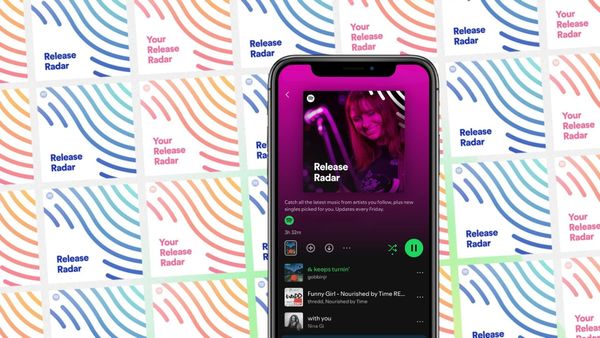
- Radar freigeben
- Home feed recommendations
So optimizing for search indirectly boosts your visibility everywhere else.
Another layer? External indexing. Spotify playlists now rank on Google more frequently than ever. A well-optimized playlist can appear in search results for queries like “best study music playlist,” driving traffic from outside the platform.
This creates a powerful loop:
- Optimize playlist for search
- Gain traction on Spotify
- Get picked up by AI recommendations
- Rank on external platforms
- Drive even more traffic
It’s like planting a seed that keeps growing in multiple directions.
If you treat Spotify like a passive platform, growth will be slow.
But if you treat it like a search engine with ranking mechanics, you unlock a completely different level of visibility.
How Spotify’s Algorithm Works in 2026
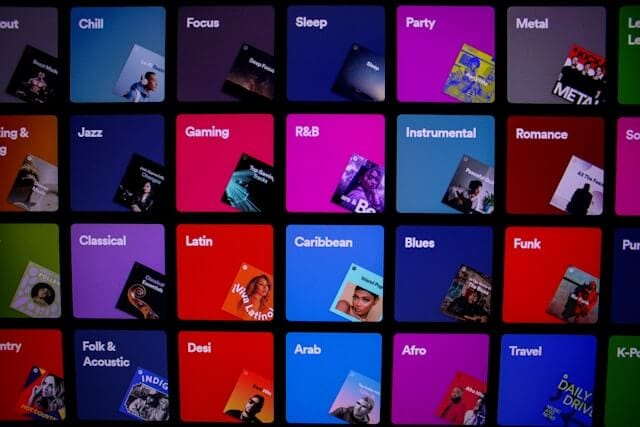
Understanding the algorithm isn’t about hacking the system. You need to be aligned with what the platform wants: great user experiences. Spotify’s goal is simple: keep people listening longer. If your playlist helps achieve that, it gets rewarded.
In 2026, the algorithm has become more nuanced and behavior-driven than ever before. It used to just look at surface-level metrics like follower count, but now it digs deeper into how users interact with your playlist in real time.
At its core, Spotify evaluates playlists based on three pillars:
- Relevance – Does your playlist match what users are searching for?
- Engagement – Do listeners actually enjoy and interact with it?
- Retention – Do they keep listening or drop off quickly?
Think of it like a Netflix show. If people click but stop watching after 5 minutes, it won’t get recommended. The same logic applies here.
Another key shift is micro-testing. Spotify often shows your playlist to a small audience first. If it performs well with low skips and high saves, it expands distribution. If not, it stalls.
This means your playlist needs to perform well immediately, not just over time.
Let’s break down the most important ranking factors.
Key Ranking Factors Explained
The algorithm considers a mix of metadata and behavioral signals. While keywords help you get discovered, engagement determines whether you stay visible.
Some of the most influential factors include:
- Playlist title and description relevance
- Listener behavior (saves, shares, skips)
- Track performance within the playlist
- Update frequency
- Niche consistency
Not all plays are equal. A play where someone listens for 30 seconds is far less valuable than one where they stay for multiple tracks.
Spotify also tracks sequence behavior, or what happens after someone listens. Do they follow the playlist? Do they explore similar ones? These signals influence long-term ranking.
Engagement Signals (Saves, Shares, Skips)Engagement Signals (Saves, Shares, Skips)
If keywords get you in the door, engagement is what keeps you inside. And among all engagement signals, saves are king.
When someone saves your playlist or individual tracks from it, they’re basically telling Spotify: “This is worth keeping,” and that’s a strong positive signal.
Shares are equally powerful. When users send your playlist to friends or post it on social media, it creates external validation, which the algorithm heavily favors.
On the flip side, skips are your biggest enemy. If listeners frequently skip the first few tracks, your playlist’s reach can drop dramatically.
Completion rate is also an important factor. If users listen through a large portion of your playlist, it signals high quality and cohesion.
Freshness & Update Frequency
Spotify loves fresh content, just not in a chaotic way. Randomly swapping tracks every day can actually hurt your performance.
Instead, think of your playlist like a living organism. It should evolve gradually while maintaining its core identity.
Updating your playlist every 1–2 weeks with relevant tracks signals to Spotify that it’s active and well-maintained. This increases your chances of being re-evaluated and promoted.
Regular listeners expect freshness. If they come back and see the same tracks for months, they’re less likely to engage.
A smart strategy is to:
- Add new high quality tracks
- Remove underperforming songs
This keeps your playlist optimized without disrupting its structure.
Advanced Keyword Research for Spotify Playlists

If you’re still guessing playlist titles in 2026, you’re basically throwing darts in the dark. Keyword research is the foundation of Spotify SEO, and the curators who win are the ones who understand exactly what listeners are typing or saying into search bars.
Start by thinking like a listener, not a curator. Nobody searches for “Cool Songs Collection Vol. 3.” They search for specific moods, activities, or moments like “gym motivation rap,” “sad songs 2026,” or “chill study beats no lyrics.” These are called high-intent keywords, and they’re gold because they reflect real demand.
A simple but powerful trick? Use Spotify’s own search bar. Type a word like “chill” and watch the autosuggestions. That’s not random, it’s live user behavior data. Combine that with tools like Google Trends or even TikTok search, and you’ll start spotting patterns. Websites like Artist.Tools have a great keyword explorer tool that helps you find the right audience.
Platforms like ChatGPT, artist.tools, and music analytics dashboards can help you generate long-tail keywords (phrases that are more specific and less competitive.) For example:
- “chill lo-fi beats for studying 2026”
- “deep house workout playlist high energy”
- “sad indie songs late night drive”
Long-tail keywords might have lower search volume, but they convert better because they match intent perfectly.
The real magic happens when you layer keywords naturally. Instead of stuffing, you create a semantic cluster (a group of related terms that reinforce your playlist’s identity.) Think of your playlist like a story. Every keyword adds context, making it easier for Spotify’s AI to understand where it belongs.
Learn more about what you can do with Spotify's ChatGPT itegration here.
Finding High-Intent Playlist Keywords
High-intent keywords are all about specificity. The more clearly a keyword describes a situation, the better it performs. For example, “workout music” is broad, but “HIIT workout motivation 2026 hip hop” is targeted.
To find these, combine three elements:
- Mood (chill, sad, energetic)
- Activity (study, workout, driving)
- Genre/Style (lo-fi, rap, house)
Mix them together, and you’ve got a keyword that actually ranks.
Crafting SEO-Optimized Playlist Titles
Your playlist title is your headline and it’s the first thing both users and algorithms see.
The biggest mistake right now is being too creative or vague. A title like “Midnight Echoes” might sound cool, but it tells Spotify nothing. Compare that to “Midnight Drive – Chill R&B & Lo-fi Vibes 2026”. Now the algorithm knows exactly what to do with it.
A high-performing title usually follows a simple formula:
[Primary Keyword] + [Context/Mood] + [Optional Freshness Tag]
Beispiele:
- “Gym Workout Motivation 2026 💪 (Hip Hop & EDM)”
- “Chill Study Beats – Focus & Relax (No Lyrics)”
- “Sad Songs That Hit Deep 💔 (Indie & Pop)”
Notice how these titles feel natural but are packed with meaning. That’s the sweet spot.
Another trend in 2026 is the use of emotional triggers. Words like “deep,” “viral,” “nostalgic,” or “late night” increase clicks because they connect instantly with the listener’s mood.
Title Formulas That Rank in 2026
The best titles balance three things:
- Clarity - What is this playlist about?
- Searchability - Does it match what people type?
- Emotion - Does it make someone curious enough to click?
Avoid keyword stuffing like “Workout Gym Fitness Music 2026 Best Playlist.” It looks spammy and performs poorly. Instead, keep it clean, readable, and human.
Writing Descriptions for Both Humans & AI

Most people either ignore descriptions or treat them like an afterthought. That’s a mistake. In 2026, your description is where semantic SEO really comes alive.
Think of it as your chance to “explain” your playlist to Spotify’s AI. You’re giving context as to what’s inside, who it’s for, and when it should be played.
A strong description naturally includes:
- Related keywords and variations
- Genres and artists
- Use-case scenarios (study, gym, driving)
For example, instead of writing: “Cool playlist with nice songs”
You’d write something like: “This playlist features chill lo-fi beats and relaxing instrumental music perfect for studying, focusing, and late-night work sessions. Updated regularly with new 2026 tracks.”
See the difference? It’s not forced and it flows naturally while still being optimized.
Semantic SEO for Playlists
Semantic SEO means using related terms instead of repeating the same keyword. Spotify’s AI understands relationships between words, so variety actually helps.
For example:
- “lo-fi beats”
- “study music”
- “focus playlist”
- “instrumental chill”
All of these reinforce the same theme without sounding repetitive.
Strategic Track Selection & Ordering
Your tracks are part of your SEO. Not directly through keywords, but through behavior.
Spotify analyzes how listeners interact with your playlist. If your first few tracks don’t hook them, your ranking drops. Simple as that.
First 5 Tracks Rule for Algorithm Boost
The first five tracks are your first impression. If they’re strong, listeners stay. If not, they leave, and that hurts your performance.
Your goal is to:
- Start with recognizable or high-performing tracks
- Maintain consistent energy and mood
- Avoid sudden genre shifts
Think of it like a movie opening. You need to grab attention immediately.
Place your strongest track first, not your favorite obscure one. You can introduce variety later, but the opening needs to be tight and engaging.
Designing High-Converting Playlist Cover Art

People absolutely judge playlists by their cover. In a crowded feed, your artwork is what makes someone stop scrolling.
Visual SEO is real. Spotify tracks click-through rates, and your cover plays a huge role in that.
A strong cover should be:
- Simple and easy to read (even on mobile)
- Emotionally aligned with the playlist
- Visually distinct from competitors
Visual SEO & Click Psychology
Bright colors, bold text, and clear themes tend to perform better. If your playlist is about “sad songs,” darker tones would work better. For “workout,” go high-energy and vibrant.
Avoid clutter. If someone can’t understand your cover in one second, it’s not effective.
Also avoid using copywrighted images. Spotify can remove your playlist cover for copywright, check out this article to learn why.
Leveraging Social Media & Short-Form Video
If you’re relying only on Spotify for growth, you’re limiting yourself. TikTok, Instagram Reels, and YouTube Shorts are major discovery engines.
Short-form videos can drive massive traffic to your playlist.
TikTok & Reels Growth Strategies
Create content like:
- “Songs that feel illegal to skip”
- “POV: Late night drive vibes”
- “This playlist will fix your mood”
Hook viewers emotionally, then link your playlist.
Learn more about promoting your playlist on TikTok here.
AI Optimization & Voice Search for Spotify
Voice search is exploding. People are saying things like, “Play relaxing study music,” and expecting instant results.
To optimize for this, use natural language phrases in your titles and descriptions. Think conversational, not robotic.
Optimizing for AI Assistants & Chat Search
AI systems pull playlists based on context. The clearer your metadata, the higher your chances of being recommended.
Common SEO Mistakes to Avoid
Many playlists fail not because of competition, but because of simple mistakes:
- Vague titles
- No keyword strategy
- Poor track ordering
- Inconsistent updates
Avoid these, and you’re already ahead of most curators.
Schlussfolgerung
Spotify SEO in 2026 is a blend of creativity, data, and strategy. It’s about making great playlists that are also discoverable, engaging, and algorithm-friendly.
Treat your playlist like a product. Optimize it, test it, refine it, and watch it grow.
FAQs
1. How long should a Spotify playlist be for SEO? There’s no perfect number, but 50–100 tracks tends to perform well because it balances variety and retention.
2. How often should I update my playlist? Every 1–2 weeks is ideal to maintain freshness without disrupting performance.
3. Do keywords really matter on Spotify? Yes, especially in titles and descriptions as they help your playlist appear in search results.
4. Can small playlists rank on Spotify? Absolutely. Strong engagement can outperform size.
5. Is social media necessary for growth? Not required but it significantly accelerates visibility and follower growth.